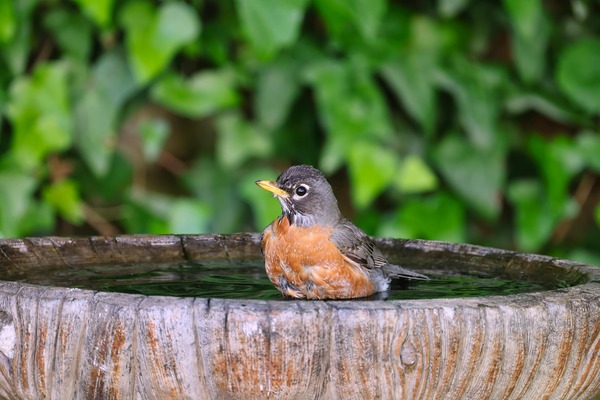
The History of Bird Baths: From Ancient Origins to Unique Bird Baths and Feeders

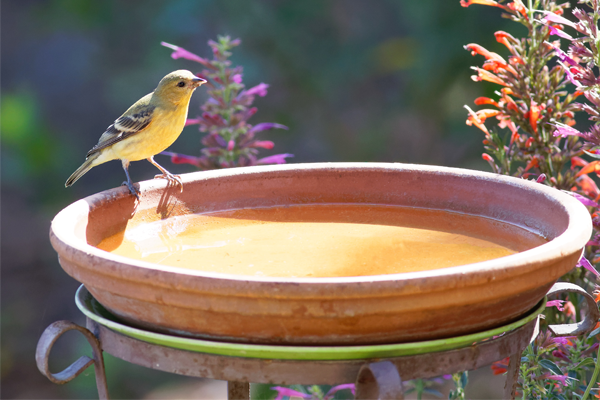
Bird baths have been a popular addition to gardens and outdoor spaces for centuries. In this 2,000-word blog post, we'll take you on a journey through the history of bird baths, from their ancient origins to modern-day unique bird baths and unique bird feeders. By the end, you'll have a deeper appreciation for these decorative and functional garden features.
Part 1: Ancient Origins
The concept of providing water for birds can be traced back thousands of years. Ancient civilizations, such as the Egyptians, Greeks, and Romans, recognized the importance of birds in their cultures and often provided water sources for them. These early societies understood that birds played vital roles in their ecosystems, agriculture, and even their religious beliefs. As a result, they sought to create welcoming environments for birds by providing essential resources such as water.
In addition to their practical understanding of birds' ecological roles, ancient civilizations also held symbolic and spiritual significance for these creatures. Many cultures believed that birds were divine messengers, symbols of freedom, or carriers of the human soul to the afterlife. By providing water sources, such as bird baths, these civilizations aimed to foster harmonious relationships with the birds they revered.
One of the earliest documented examples of bird baths can be found in the ancient city of Persepolis, in present-day Iran. The city, founded by Darius I around 518 BCE, featured elaborate gardens and palaces adorned with bas-reliefs depicting birds and other wildlife. Archaeological evidence suggests that these ancient Persians incorporated shallow basins filled with water into their gardens, specifically for birds to drink and bathe in.
Furthermore, ancient Minoan civilization on the island of Crete also showed an affinity for birds, as seen in their frescoes and pottery. The presence of birds in their artwork and the discovery of shallow basins at various archaeological sites suggest that they, too, provided water sources for birds.
In summary, the origins of bird baths date back to ancient civilizations that recognized the importance of birds in their cultures and ecosystems. By providing water sources, they aimed to create hospitable environments for these creatures, nurturing their relationships with the natural world and reflecting their deep appreciation for the beauty and symbolism of birds.
1.1 Egyptian Influence
Ancient Egyptians held birds in high regard, associating them with the gods and the afterlife. They often incorporated bird-related designs into their artwork and architecture, including bird baths. Excavations of Egyptian tombs have uncovered bird baths made of stone, with detailed carvings of birds and other motifs.
1.2 Greek and Roman Contributions
The ancient Greeks and Romans also appreciated birds and provided water sources for them. Greek and Roman gardens often featured fountains, ponds, and other water features that served as bird baths. These early bird baths were crafted from marble, bronze, or terracotta, and featured ornate designs.
Part 2: Middle Ages and Renaissance
During the Middle Ages and Renaissance, bird baths remained a popular garden feature. They evolved to become more elaborate and sophisticated, incorporating the artistic and architectural styles of the time. As society progressed and the importance of gardens grew, bird baths started to play a more significant role in garden design and aesthetics.
In the Middle Ages, feudal lords and religious institutions owned vast estates, and gardens were an essential part of their architectural complexes. These gardens often featured water sources, such as fountains and ponds, which doubled as bird baths. The bird baths of this period were designed to blend seamlessly with the surrounding landscape, reflecting the Gothic and Romanesque architectural styles prevalent during the era.
The Renaissance period marked a shift in the way bird baths were perceived and designed. As interest in science, nature, and artistry grew, so too did the intricacy and beauty of bird baths. The revival of classical art and architecture greatly influenced garden design, and bird baths became elegant, elaborate focal points. Sculptors and craftsmen experimented with various materials, such as marble, limestone, and bronze, to create stunning, unique bird baths that were both functional and visually appealing.
During this time, humanists and scholars began to recognize the importance of studying and preserving nature. This newfound appreciation for the natural world led to a surge in popularity of bird baths, as people aimed to attract birds to their gardens to study and enjoy them. Ornithology, the scientific study of birds, became a popular pursuit, and bird baths played a crucial role in facilitating this interest.
2.1 Medieval Gardens
In medieval Europe, monastic gardens often included bird baths to attract birds for their beauty and the role they played in controlling insect populations. Bird baths were typically made from stone or metal and featured simple designs. In some cases, they were adorned with religious symbols or inscriptions.
2.2 Renaissance Artistry
The Renaissance period saw a resurgence of interest in classical art and architecture. This influence was reflected in the design of bird baths, which became more elaborate and ornate. Italian Renaissance gardens featured intricately carved marble bird baths, while in France, cast iron bird baths adorned the gardens of the nobility.
Part 3: Victorian Era
The Victorian era was a golden age for bird baths, as they became a staple in gardens across Europe and North America. The increased interest in ornithology and nature during this period led to a rise in popularity for bird baths and bird feeders.
3.1 Mass Production
The Industrial Revolution brought about new manufacturing techniques that made it possible to mass-produce bird baths. As a result, bird baths became more affordable and accessible to the general public. Cast iron, stone, and terracotta bird baths featuring intricate designs were popular during this time.
3.2 Unique Bird Baths and Bird Feeders
The Victorian era saw the emergence of unique bird baths and bird feeders. Designers began to experiment with different materials and styles, creating one-of-a-kind pieces that were both functional and decorative. Bird baths were designed to resemble tree stumps, animals, or mythical creatures, while bird feeders often took the form of small cottages or ornate gazebos.
Part 4: 20th Century and Beyond
Throughout the 20th century, bird baths continued to evolve, reflecting the design trends and technological advancements of the time.
4.1 Modern Materials
New materials, such as concrete, fiberglass, and resin, became popular for bird baths in the 20th century. These materials were more affordable and easier to work with than traditional materials like stone or cast iron, allowing for more creative and unique bird bath designs.
4.2 Solar-Powered Bird Baths
With the increased focus on sustainability and renewable energy, solar
powered bird baths emerged as a popular option in recent years. These bird baths incorporate solar panels, which power a small pump that circulates water, creating a more dynamic and appealing water source for birds. Solar-powered bird baths offer an eco-friendly alternative to traditional bird baths, reducing the need for electricity and conserving water.
4.3 Unique Bird Baths and Bird Feeders in Contemporary Designs
Today, unique bird baths and bird feeders continue to be popular choices for garden enthusiasts and bird lovers alike. Contemporary designs showcase a variety of materials, colors, and styles, from minimalist and modern to whimsical and artistic. Glass, metal, and ceramics are all used to create stunning bird baths and feeders that serve as both functional elements and eye-catching garden focal points.
Part 5: The Importance of Bird Baths and Bird Feeders
Bird baths and bird feeders not only add beauty and interest to our gardens but also play a crucial role in supporting local bird populations.
5.1 Water Source for Birds
Bird baths provide a much-needed water source for birds, particularly during the hot summer months when natural water sources may be scarce. Birds require water for drinking and bathing, which helps them maintain their feathers and stay healthy.
5.2 Attracting Birds and Supporting Biodiversity
Bird baths and bird feeders help attract a variety of bird species to your garden, promoting biodiversity and contributing to a healthy ecosystem. By providing food and water for birds, you can support local bird populations and enjoy the beauty and entertainment they bring to your outdoor space.
5.3 Pest Control
Birds are natural pest controllers, feeding on insects, caterpillars, and other garden pests. By attracting birds to your garden with bird baths and feeders, you can help maintain a balanced ecosystem and reduce the need for chemical pest control methods.
Conclusion
The history of bird baths spans thousands of years, from their ancient origins in Egyptian, Greek, and Roman gardens to the unique bird baths and bird feeders of today. As both decorative and functional elements, bird baths have been an enduring feature in gardens throughout history, reflecting the artistic and cultural trends of each era.
Today, bird baths and bird feeders continue to be popular garden additions, providing vital resources for birds while enhancing the beauty of our outdoor spaces. By incorporating unique bird baths and bird feeders into your garden, you can support local bird populations, promote biodiversity, and create an inviting haven for both birds and humans to enjoy.
About the Author